Employee relocation tips for L1 intracompany transfer visa holders
Wiki Article
Recognizing the L1 Intracompany Transfer Visa: Secret Facts and Services for Effective Applications
The L1 Intracompany Transfer Visa works as a crucial device for international business intending to help with staff member flexibility. Its organized groups deal with various duties within companies, making certain that both managers and specialized staff can move effortlessly. Comprehending the qualification requirements and application procedure is vital for success. Guiding via the complexities of this visa can be tough. What approaches can workers and firms employ to enhance their opportunities of a successful application?Overview of the L1 Intracompany Transfer Visa
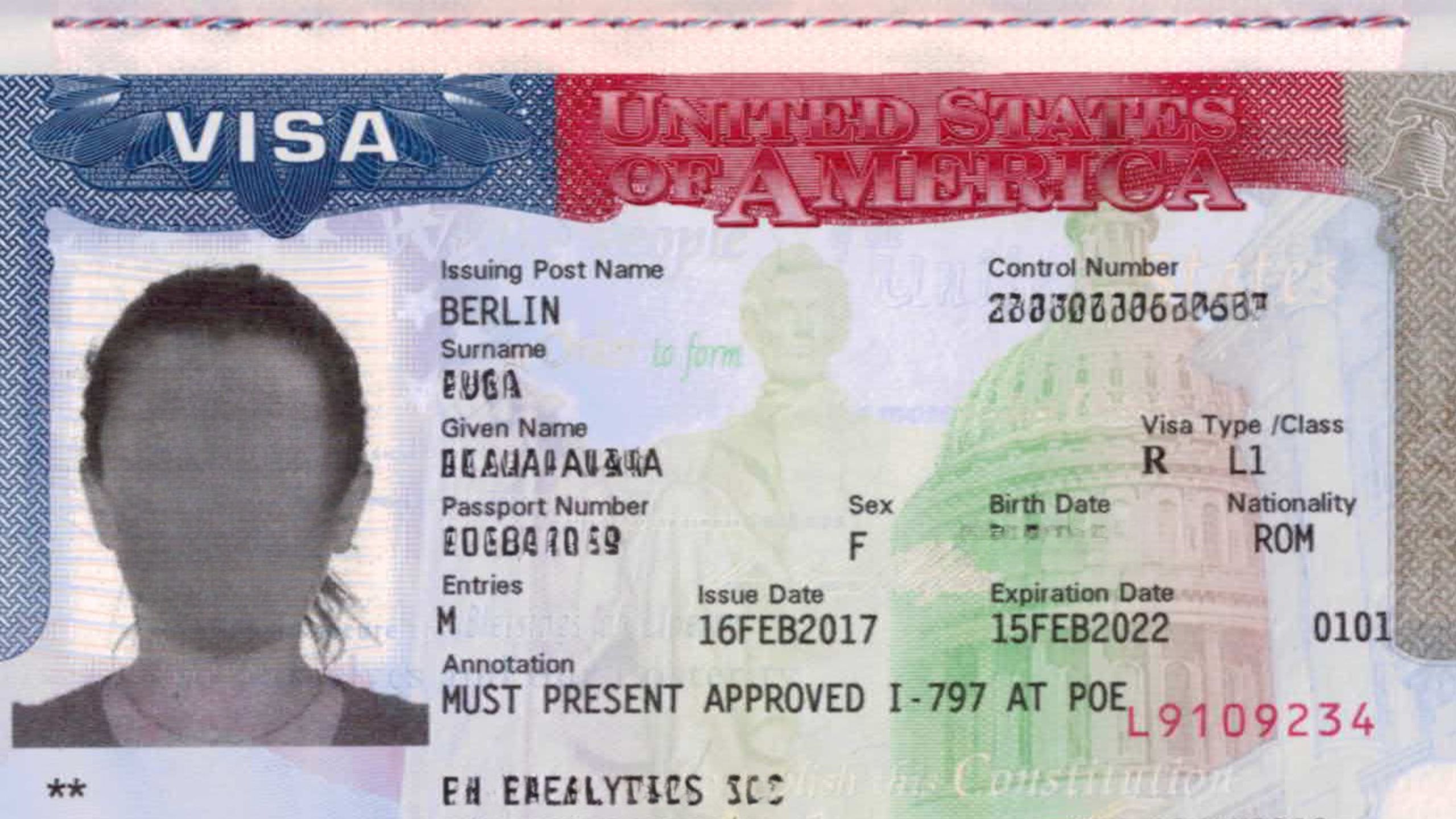
The L1 Intracompany Transfer Visa works as a necessary pathway for international business to move staff members in between foreign and united state workplaces. This visa group is created to promote international company operations by allowing firms to relocate key employees, such as supervisors, executives, and specialized understanding personnel. The L1 visa is separated into 2 subcategories: L-1A for executives and managers, and L-1B for employees with specialized knowledge.The duration of stay under the L1 visa differs, with L-1A holders able to remain for up to 7 years, while L-1B owners can stay for as much as 5 years. This visa not only supports company continuity however likewise motivates innovation and expertise sharing across borders. By giving a streamlined procedure for employee transfers, the L1 visa plays an essential function in boosting the global reach and capacities of companies running in several nations.
Eligibility Standards for L1 Visa Applicants
Application Process for the L1 Visa
Qualification Demands Review
While seeking an L1 Intracompany Transfer Visa, applicants need to meet certain qualification requirements that ensure both the employee and the company straighten with united state migration requirements. Mainly, the candidate needs to be an executive, manager, or specialized expertise worker, having helped the international firm for a minimum of one continual year within the last 3 years. The employer needs to show a certifying partnership with the international firm, such as a affiliate, subsidiary, or moms and dad. In addition, the U.S. entity must be actively operating and capable of providing employment. It is crucial that the candidate's duty in the united state firm is comparable to their previous placement, making sure a seamless transfer of responsibilities and skills.
Step-by-Step Application Overview
Navigating the application process for an L1 Intracompany Transfer Visa involves a number of crucial steps that applicants must diligently comply with to assure an effective outcome. At first, the sponsoring employer must file Type I-129, Request for a Nonimmigrant Worker, along with sustaining documents showing the worker's qualifications and the connection in between the united state and foreign firms. Next, the candidate must gather required individual documents, including ticket, work verification, and evidence of previous employment. Once the petition is accepted, the applicant can continue to set up a visa meeting at an U.S. consulate. During the meeting, the applicant needs to provide all needed records and respond to questions regarding their duty and the nature of the work. Complying with these actions carefully raises the chance of authorization.Needed Documentation for a Successful Application
When preparing an application for an L1 Intracompany Transfer Visa, applicants must gather and send a details collection of records to ensure a successful outcome. Trick documents includes a valid key, which must continue to be effective for the period of the designated keep. Applicants must likewise provide a detailed task deal letter from the U.S. employer, outlining the placement, duties, and duration of employment. Additionally, evidence of the applicant's credentials, such as academic degrees and work experience letters, is essential.Paperwork showing the partnership between the foreign firm and the U.S. entity is also called for, including organizational charts and evidence of ownership. Additionally, tax obligation returns and monetary statements for both business may be necessary to develop operational legitimacy. Lastly, any type of previous visa documents, if suitable, should be consisted of to sustain the application procedure. Gathering these papers meticulously will enhance the possibilities of approval.
Common Obstacles and Pitfalls to Stay clear of
Incomplete Documentation Issues
When applying for an L1 Intracompany Transfer Visa, many applicants experience substantial challenges due to insufficient documentation. This problem usually develops from misinterpreting the particular needs established by migration why not try this out authorities. Common mistakes consist of stopping working to give sufficient proof of prior employment, missing out on business graphes, or neglecting to consist of essential letters of assistance. Each piece of documentation plays an essential role in validating eligibility and supporting the application. Incomplete entries can result in delays or outright rejections, triggering disappointment and unpredictability for applicants. To alleviate these threats, comprehensive prep work and an look at this website all-encompassing checklist of called for files are important. Consulting with migration professionals can additionally assist assure that all required products are sent appropriately, lessening the possibility of difficulties.Misunderstanding Qualification Standards
Misinterpreting the qualification criteria for the L1 Intracompany Transfer Visa can lead to considerable troubles in the application process. Numerous applicants incorrectly think that any type of employee can qualify for this visa, falling short to acknowledge the specific needs relating to the relationship between the companies involved. Applicants have to be conscious that only managers, executives, or employees with specialized understanding are eligible. Additionally, misunderstandings about the minimum employment period with the international business can result in disqualifications. Typical risks also consist of not validating that the international and U.S. entities share a certifying partnership, which is essential for authorization. As an outcome, an extensive understanding of these criteria is crucial for an effective application and to stay clear of unnecessary delays.Tips for Employers and Staff Members During the Transfer Process
As employers and staff members launch the L1 intracompany transfer process, efficient communication and comprehensive preparation are vital for a smooth shift. Employers should clearly lay out the duties and functions connected with the transfer, making sure that staff members totally understand their new setting's expectations. Staff members should collect all essential paperwork, consisting of proof of work, certifications, and any kind of relevant firm details, to sustain their application.Timely submission of the L1 visa is vital. Employers need to speak with immigration lawyers to navigate complex regulations and expedite the process. Normal check-ins between administration and the moving staff member can help address any concerns and foster an encouraging atmosphere during the change.
In addition, social orientation and training can facilitate the employee's modification to a brand-new workplace atmosphere. L1 intracompany transfer visa. By focusing on anonymous these methods, both employers and workers can improve the probability of a successful L1 intracompany transfer, leading the way for future chances
Regularly Asked Inquiries
The Length Of Time Can You Keep on an L1 Visa?
An L1 visa holder can initially stay for approximately three years. Extensions may permit an overall remain of as much as seven years for L1A visa owners and five years for L1B visa owners.Can Family Members Accompany L1 Visa Holders?
Yes, relative can accompany L1 visa owners. Partners and unmarried kids under 21 may look for L2 visas, enabling them to research and live in the USA while the L1 holder works.Exists a Limitation on L1 Visa Renewals?
There is no details limitation on the variety of L1 visa revivals; nevertheless, extensions go through the initial visa's maximum period. Proper paperwork and compliance with policies are crucial for effective renewal applications.What Is the Difference Between L1A and L1B Visas?
The L1A visa is for supervisors and executives, permitting them to move to an U.S. office, while the L1B visa is for employees with specialized knowledge, focusing on their special competence within the firm.Can L1 Visa Owners Look For Irreversible Residency?
Yes, L1 visa holders can get permanent residency in the USA. They usually seek this choice with employment-based immigrant applications, enabling them to shift to a permit condition under certain eligibility requirements.While pursuing an L1 Intracompany Transfer Visa, applicants should fulfill details qualification requirements that guarantee both the employee and the company align with U.S. migration standards. Steering the application process for an L1 Intracompany Transfer Visa includes several vital actions that applicants should vigilantly follow to assure an effective result. When preparing an application for an L1 Intracompany Transfer Visa, applicants have to collect and send a details collection of papers to guarantee an effective result. Lots of applicants experience significant difficulties due to incomplete documents when applying for an L1 Intracompany Transfer Visa. There is no certain restriction on the number of L1 visa revivals; however, expansions are subject to the initial visa's maximum duration.
Report this wiki page